
Rebuild ancient ecosystems from amber
Study what's preserved, connect the food chains, see how life worked thousands of years ago.
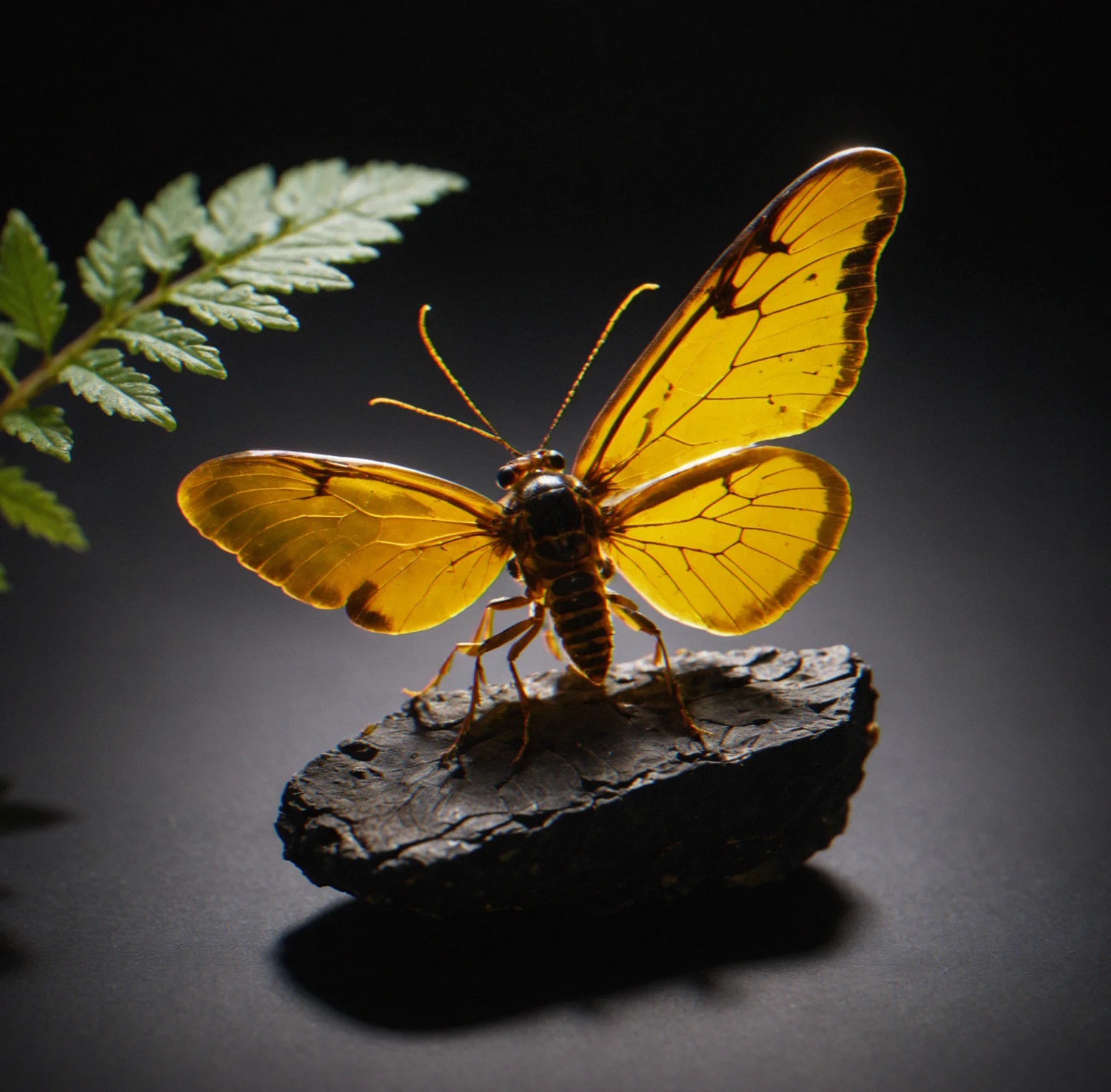
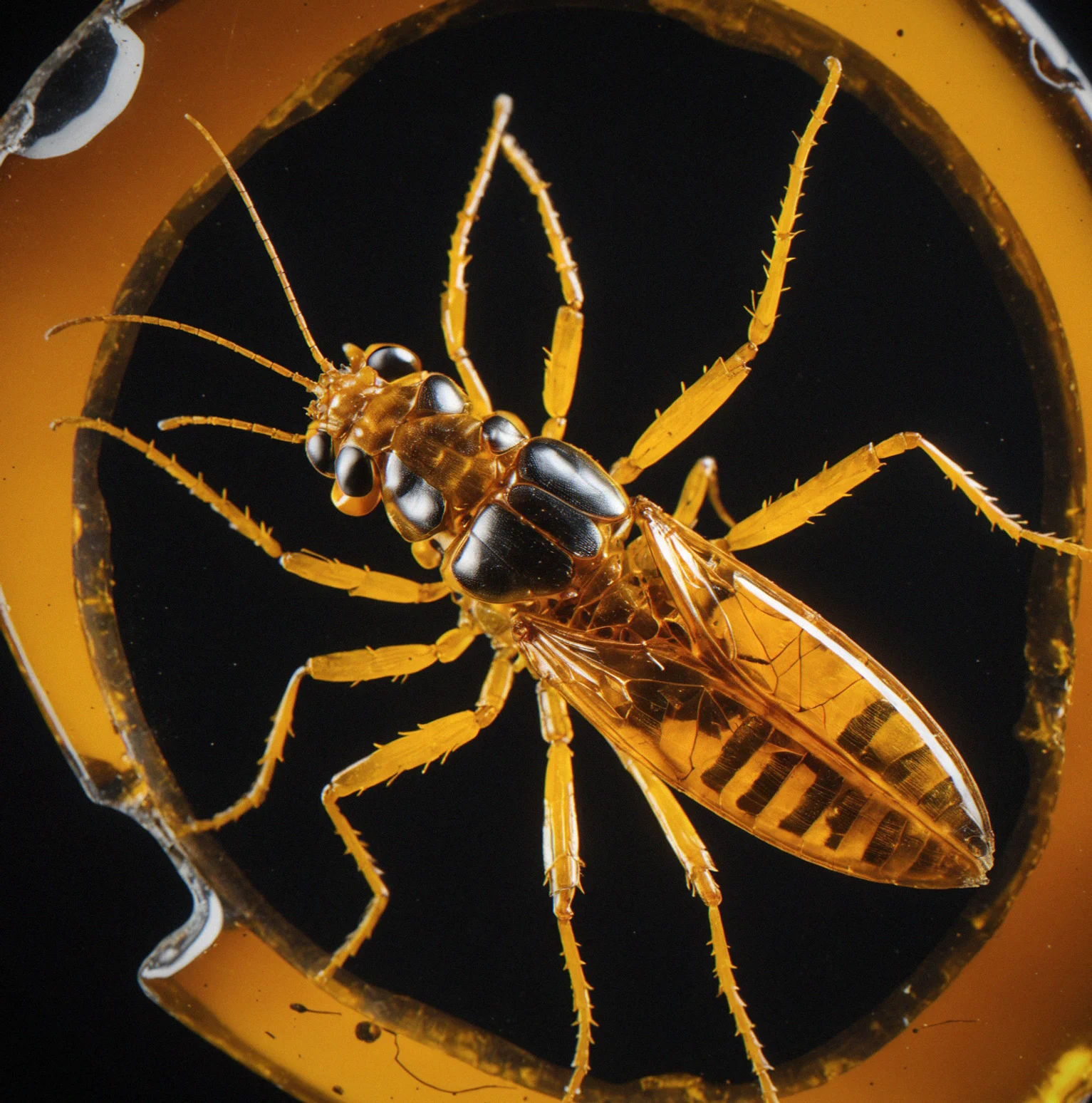
Amberquest puts you in the mindset of someone actually doing the work. You get amber samples—actual geological material from the Dominican Republic, Myanmar, the Baltic, and Mexico—and you study them closely. Measure the joints on legs. Look at pollen. Compare how different creatures were built to eat. Then cross-check everything against other samples to piece together what the food chain looked like back then.
It's patient work. No twitch gameplay, no clocks running down, no gotcha moments. Just looking at evidence, thinking through it, and feeling things click into place as you rebuild the ecosystem. Made for people aged 16 to 45 who actually want to learn: hobbyists, teachers looking for classroom material, puzzle people who care about real depth instead of hand speed.
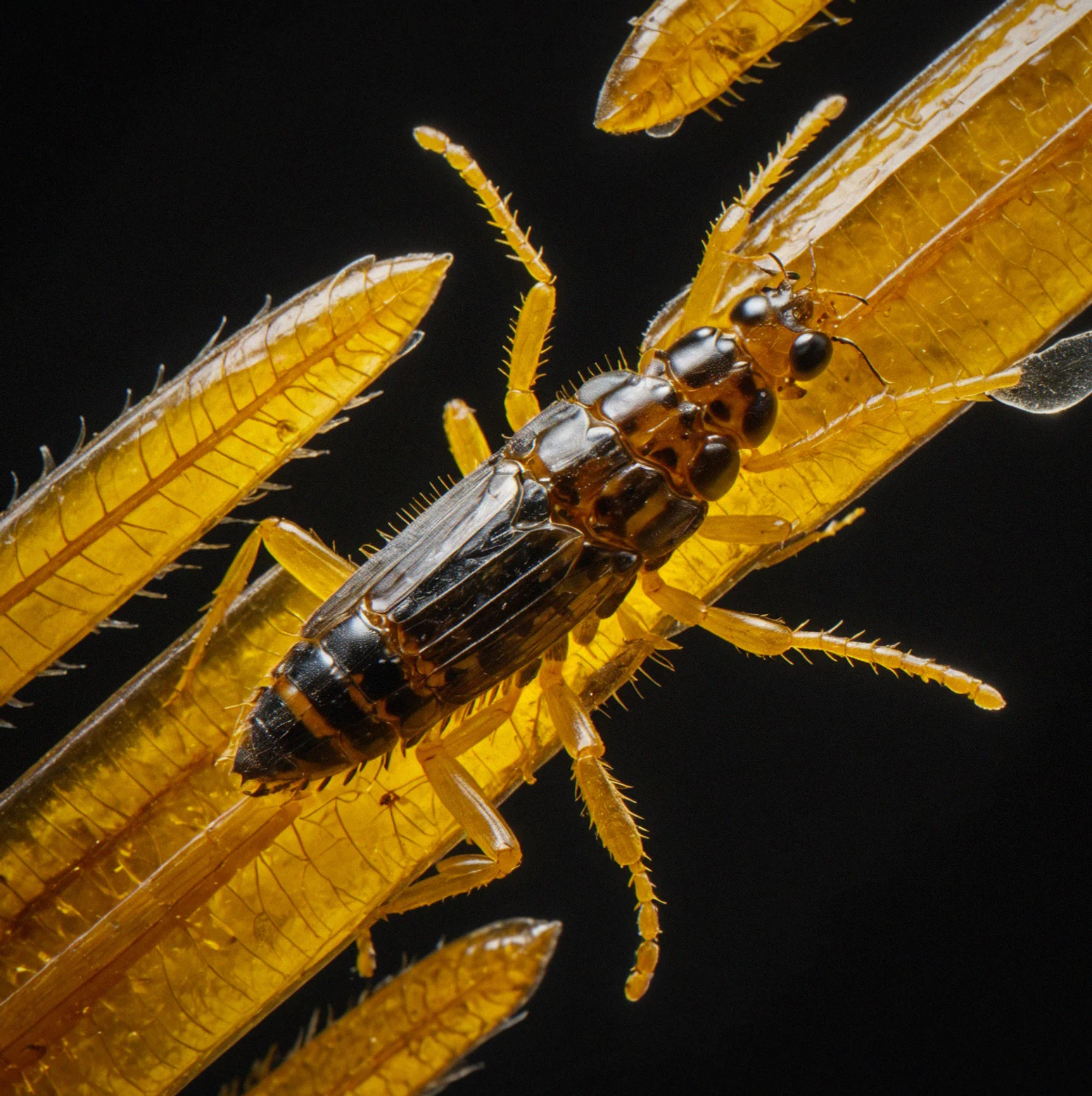
Thrips with pollen matrix. Dominican amber, Miocene epoch.
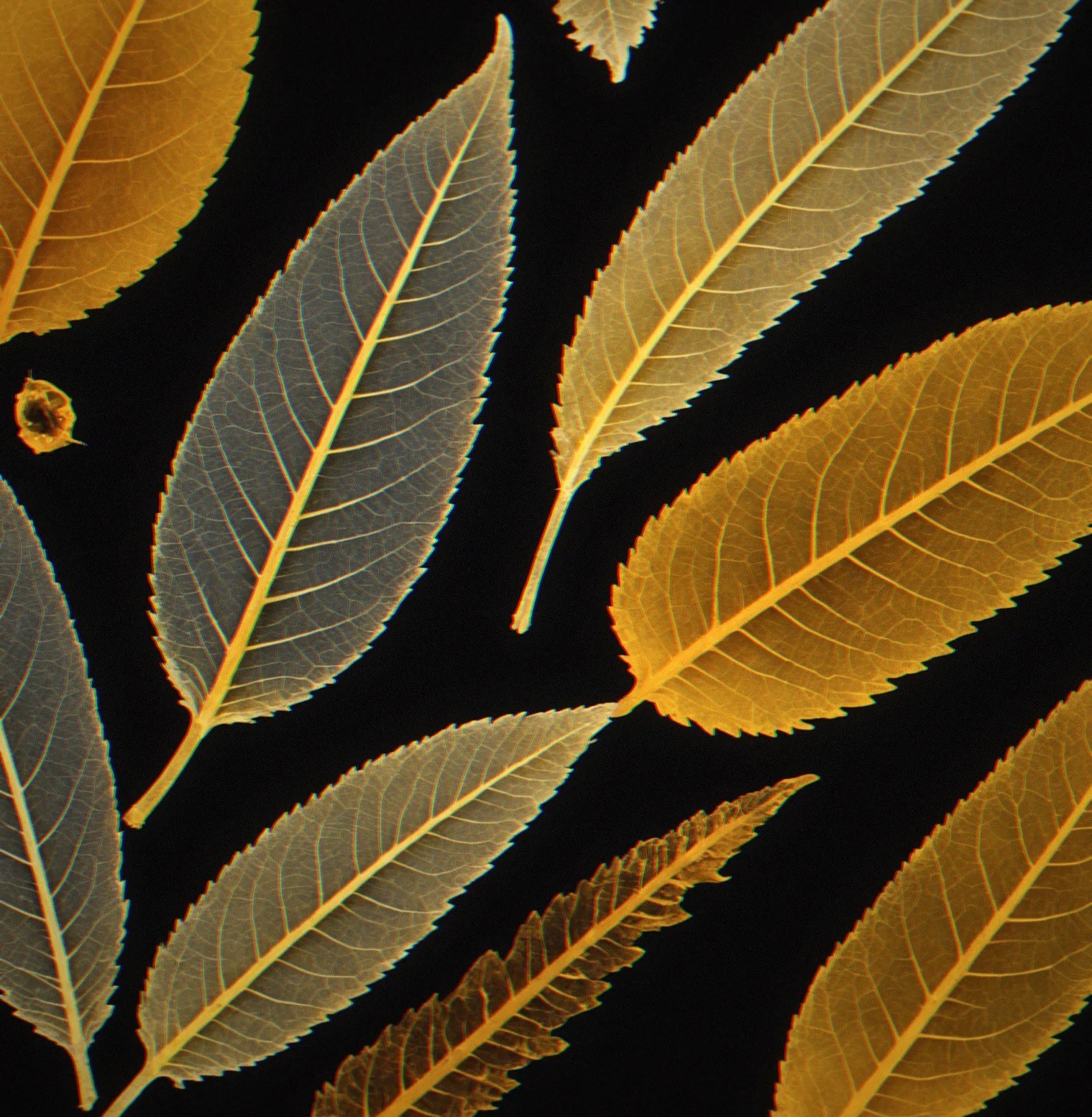
Fungal colonization on leaf tissue — evidence of microbial communities.
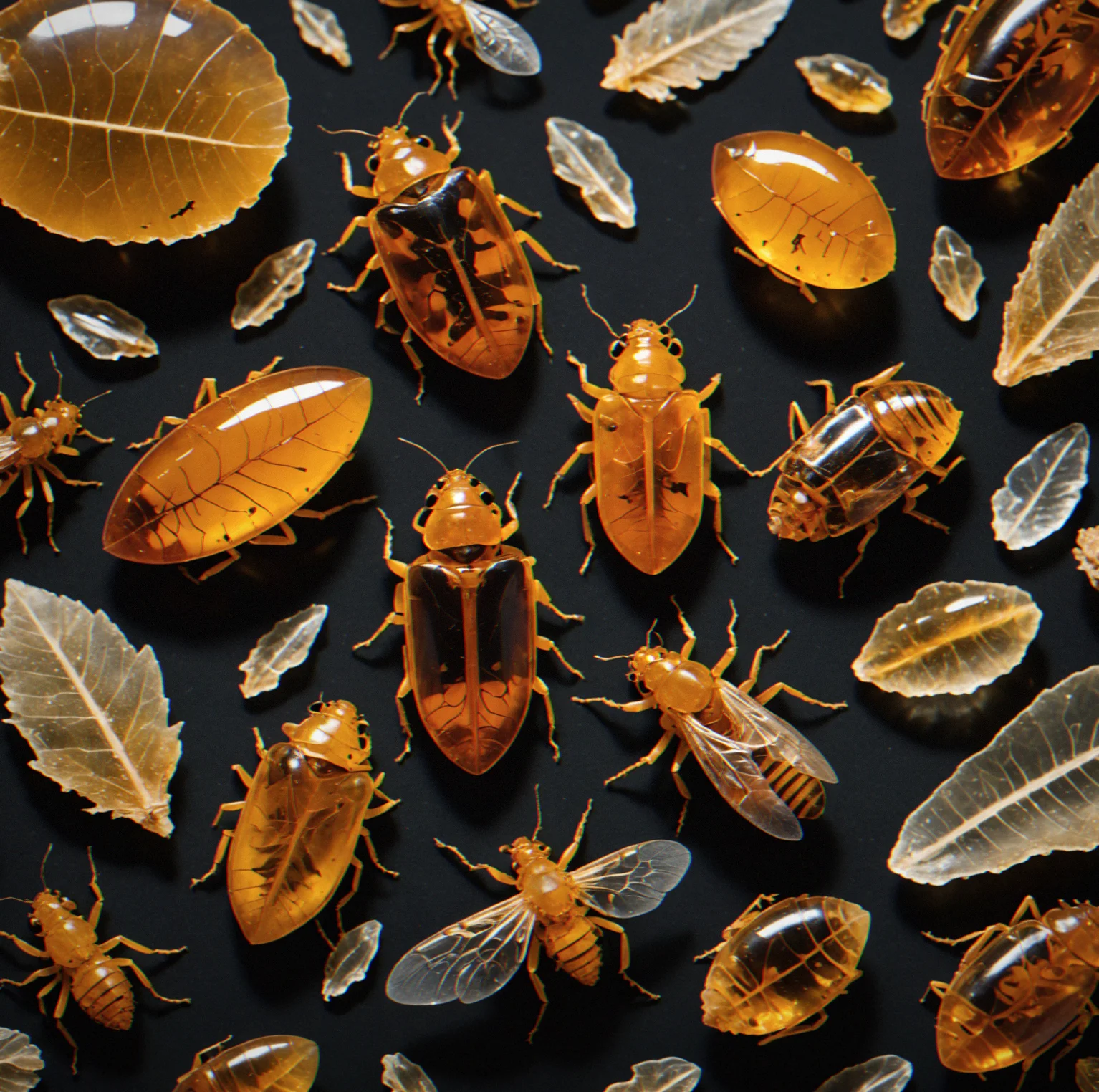
Arthropod assemblage with taphonomic deposit layer. Baltic amber.
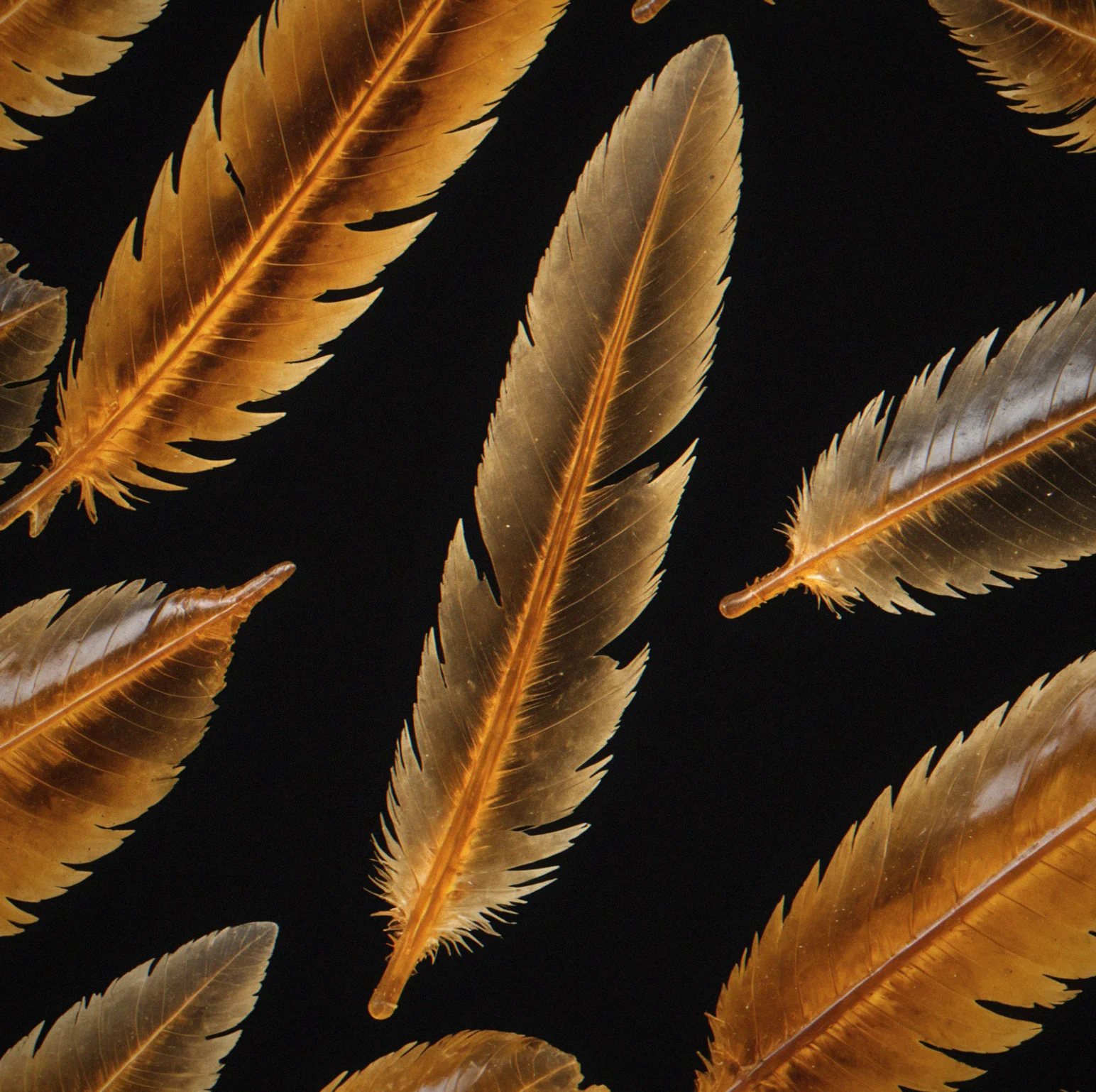
Feather fragment. Myanmar amber, Cretaceous period — 99 million years old.
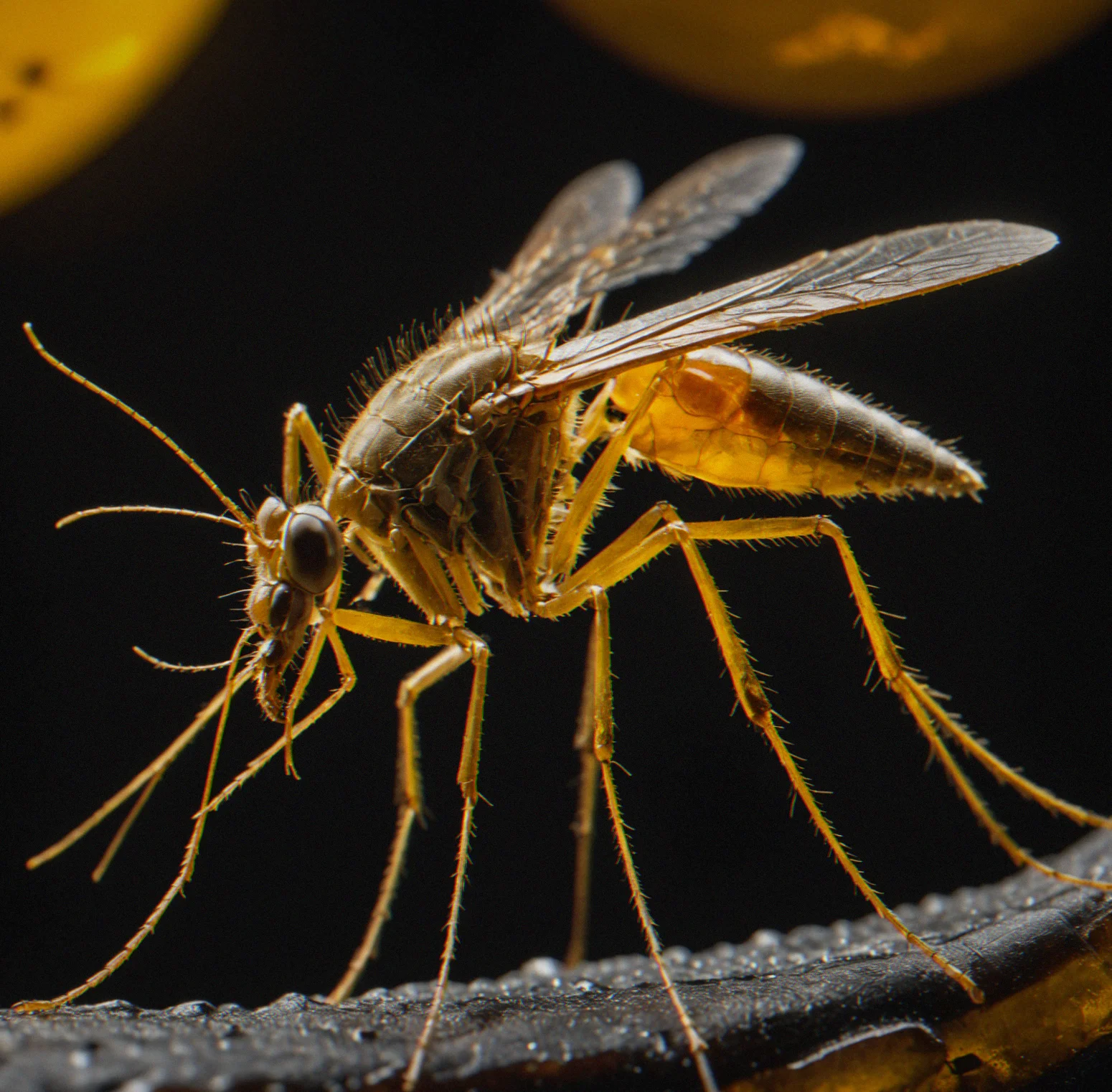
Mosquito with intact proboscis. Shows you how these things fed and what hosts were available.
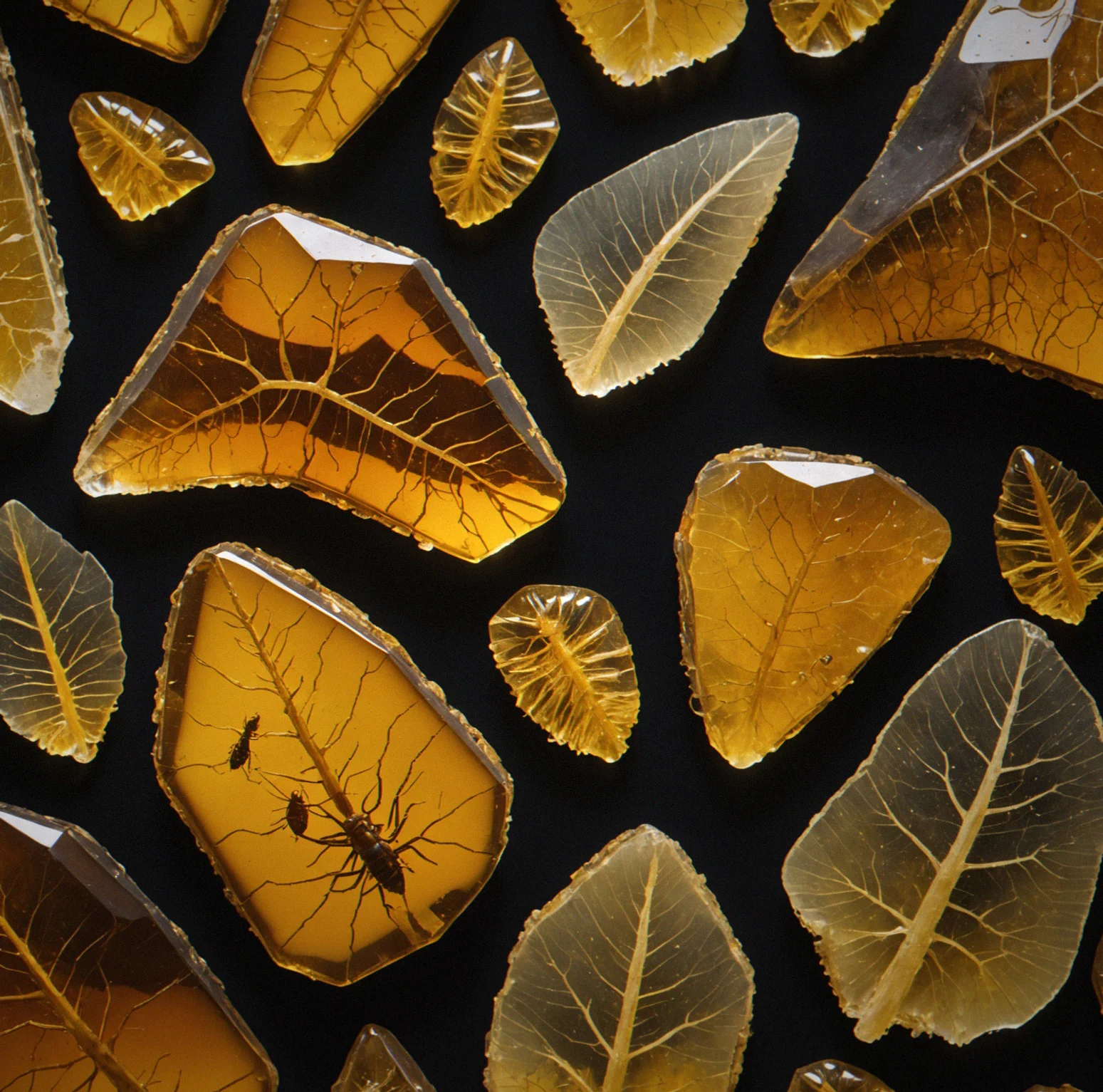
Plant fibers in cross-section. You can work out when it died and what plants were growing around it.
Specimens in context
These are the actual puzzles you'll examine. Dominican amber from the Miocene, Baltic specimens spanning millions of years, Myanmar inclusions with feather fragments — each one tells you something about the organisms that lived there. The work is slow. Intentional.
6 specimens
Over 40 specimens from six different geological periods
These are real amber inclusions. You've got Dominican pieces from the Miocene era, baltic amber that's been around for roughly 40 million years, Myanmar specimens trapped in Cretaceous resin, and Mexican finds with intact clusters of arthropods still packed inside. Every single one comes from documented fossil records. The thing is, you don't just look at them and move on.
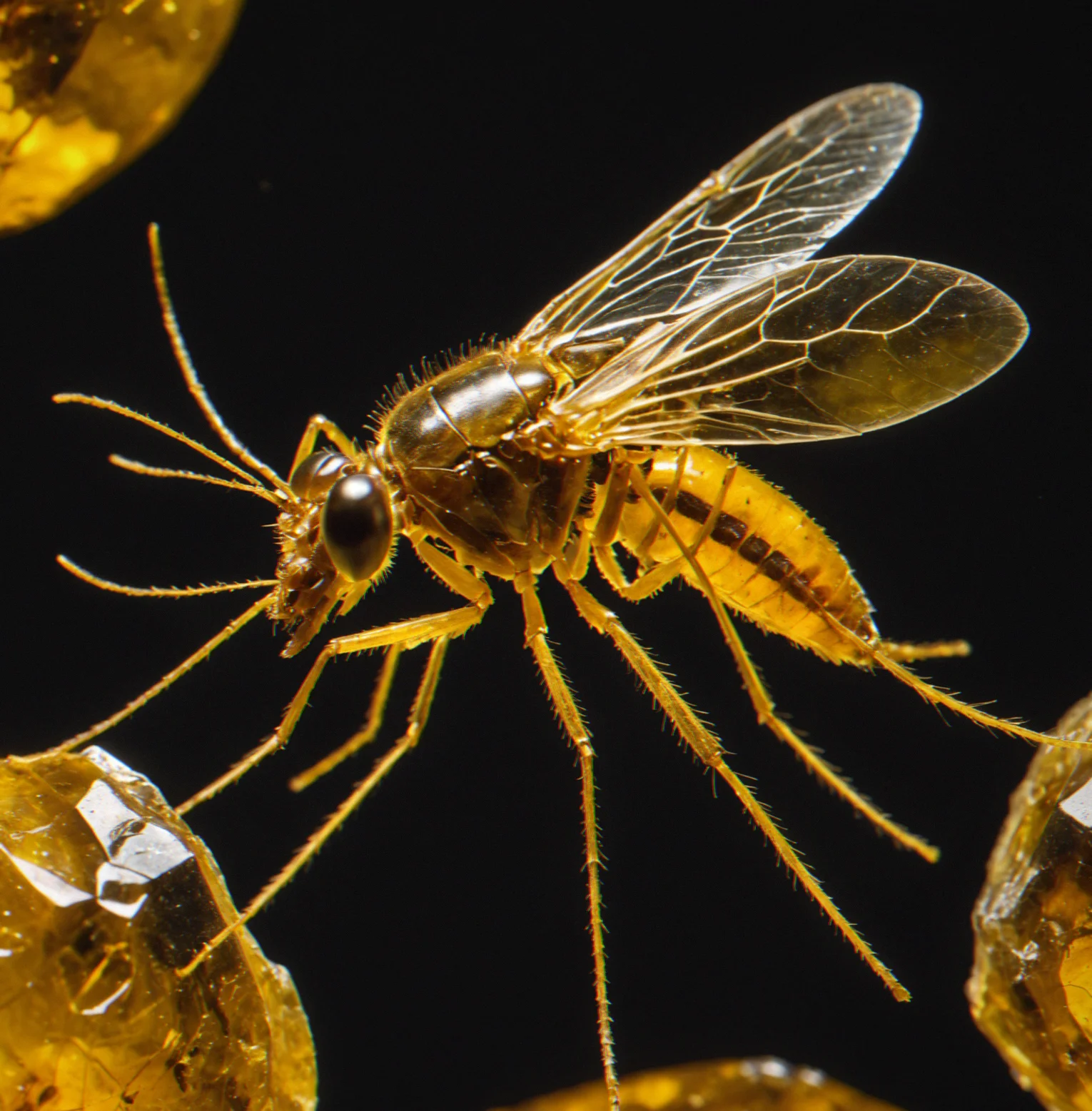
Mosquito, proboscis extended. Miocene.
Dominican amber with a mosquito inside—proboscis stretched out fully, abdominal segments you can actually see, all suspended in golden-brown resin
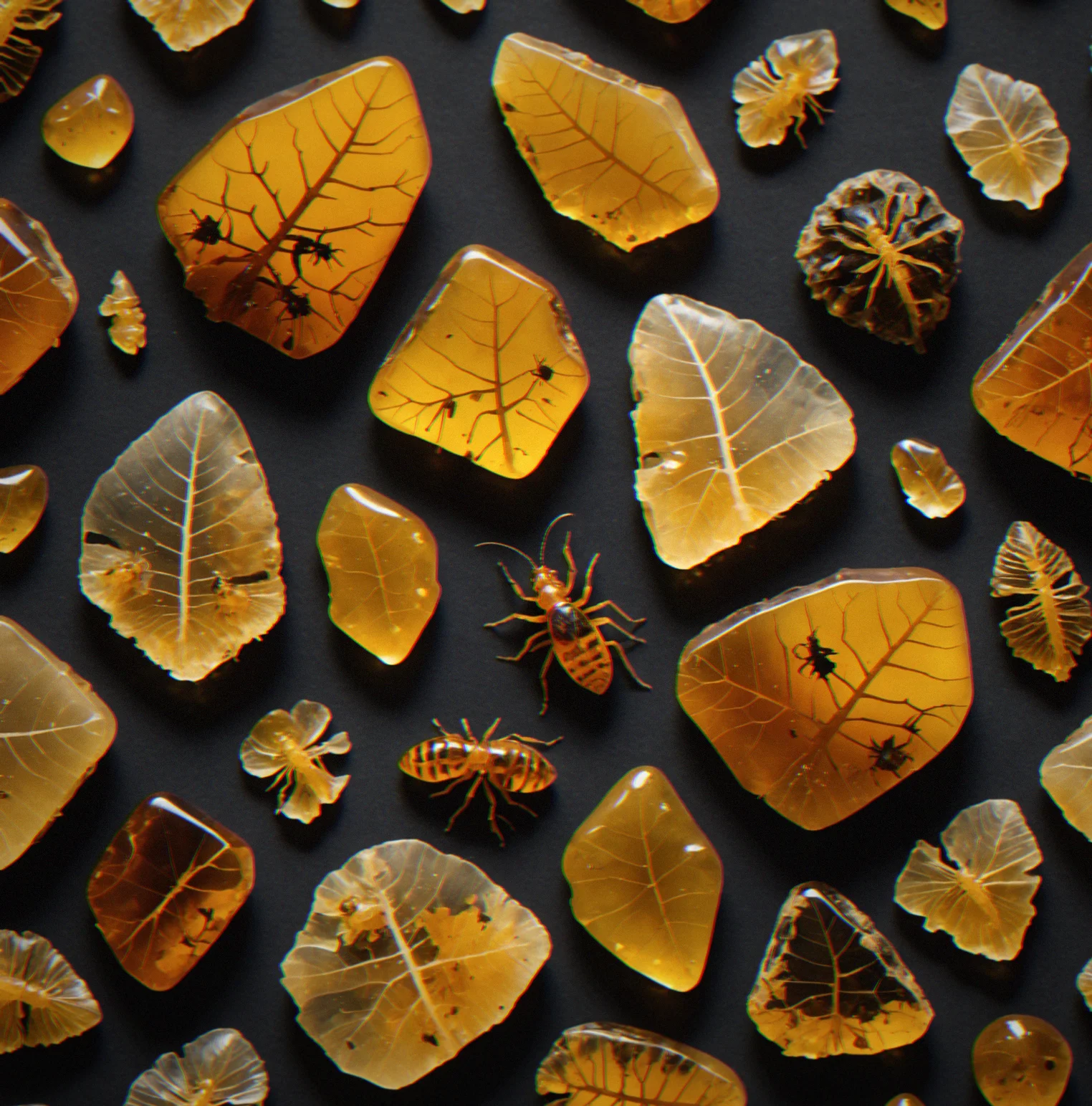
Fungal colonization. Around 45 million years back.
Baltic amber showing layers of plant material broken down over time, fungal growth matted through it, scattered arthropod pieces caught at different decomposition stages
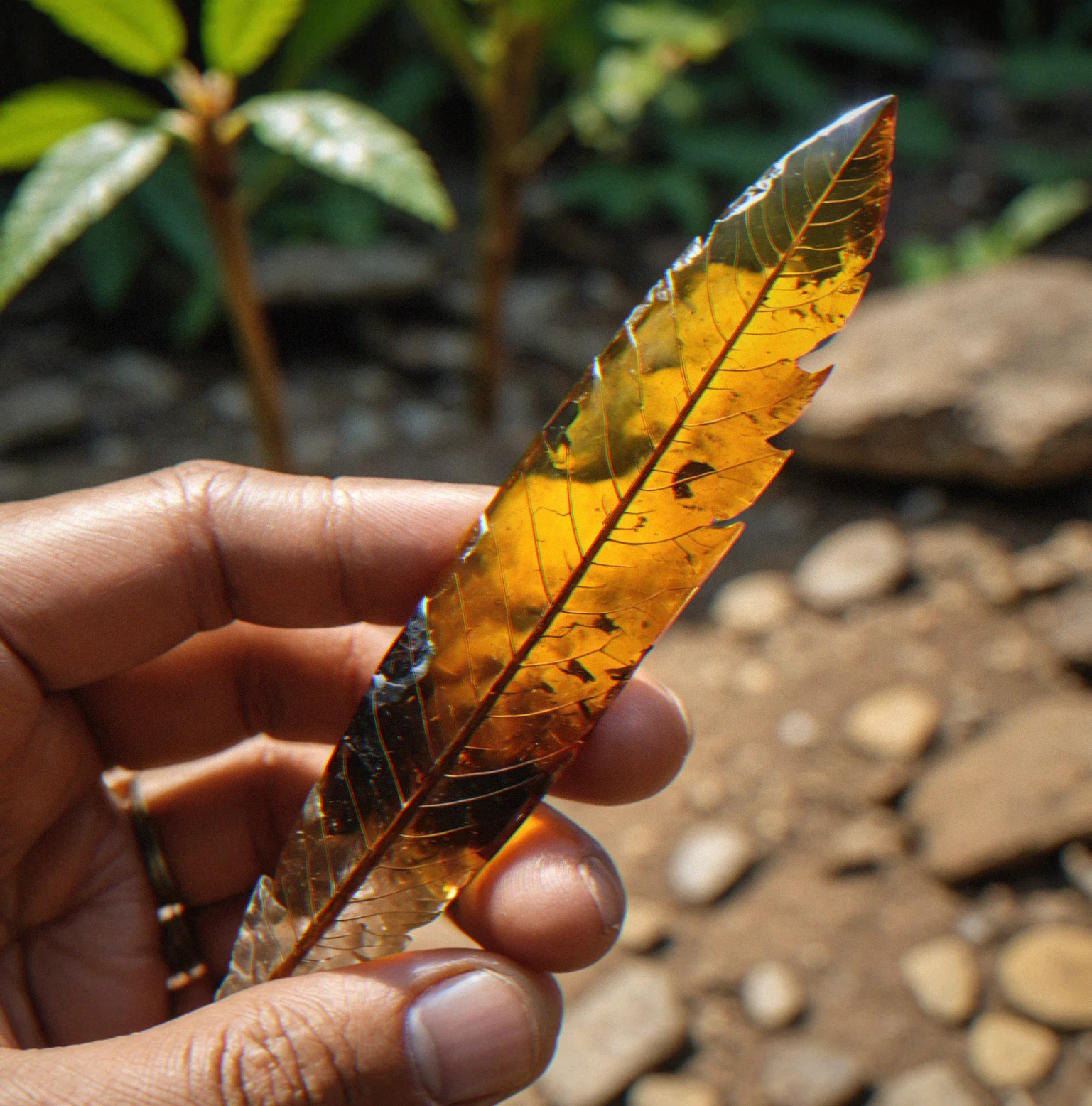
Feather piece. Cretaceous. Nearly 100 million years old.
Myanmar amber holding a feather shaft that's been locked away since the Cretaceous, barb structure still visible, rachis intact—likely from an early bird or dinosaur
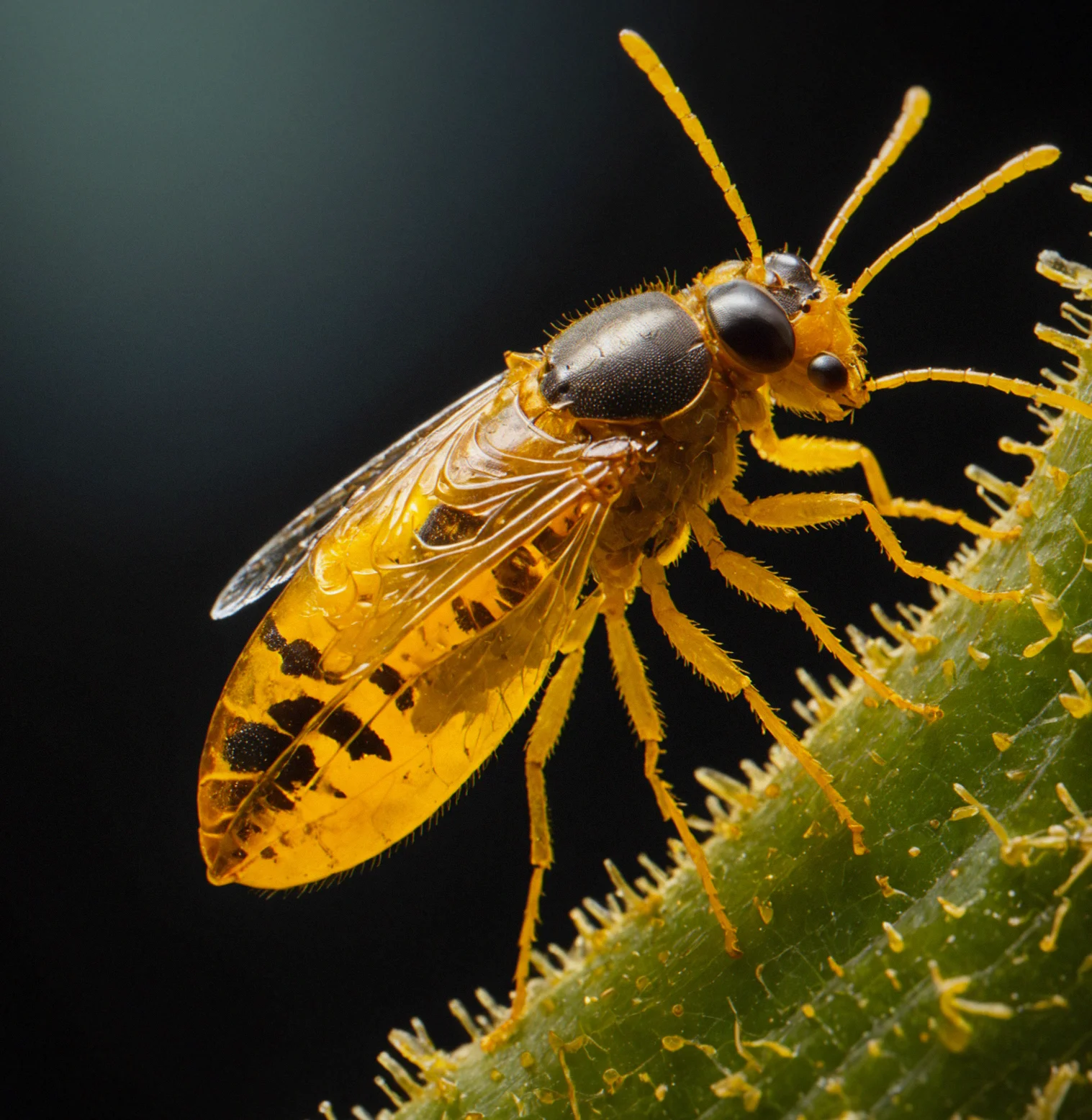
Thrips loaded with pollen. Direct food web evidence.
Mexican amber with a thrips surrounded by pollen from three different plant families, feeding structures still visible, showing what it was eating
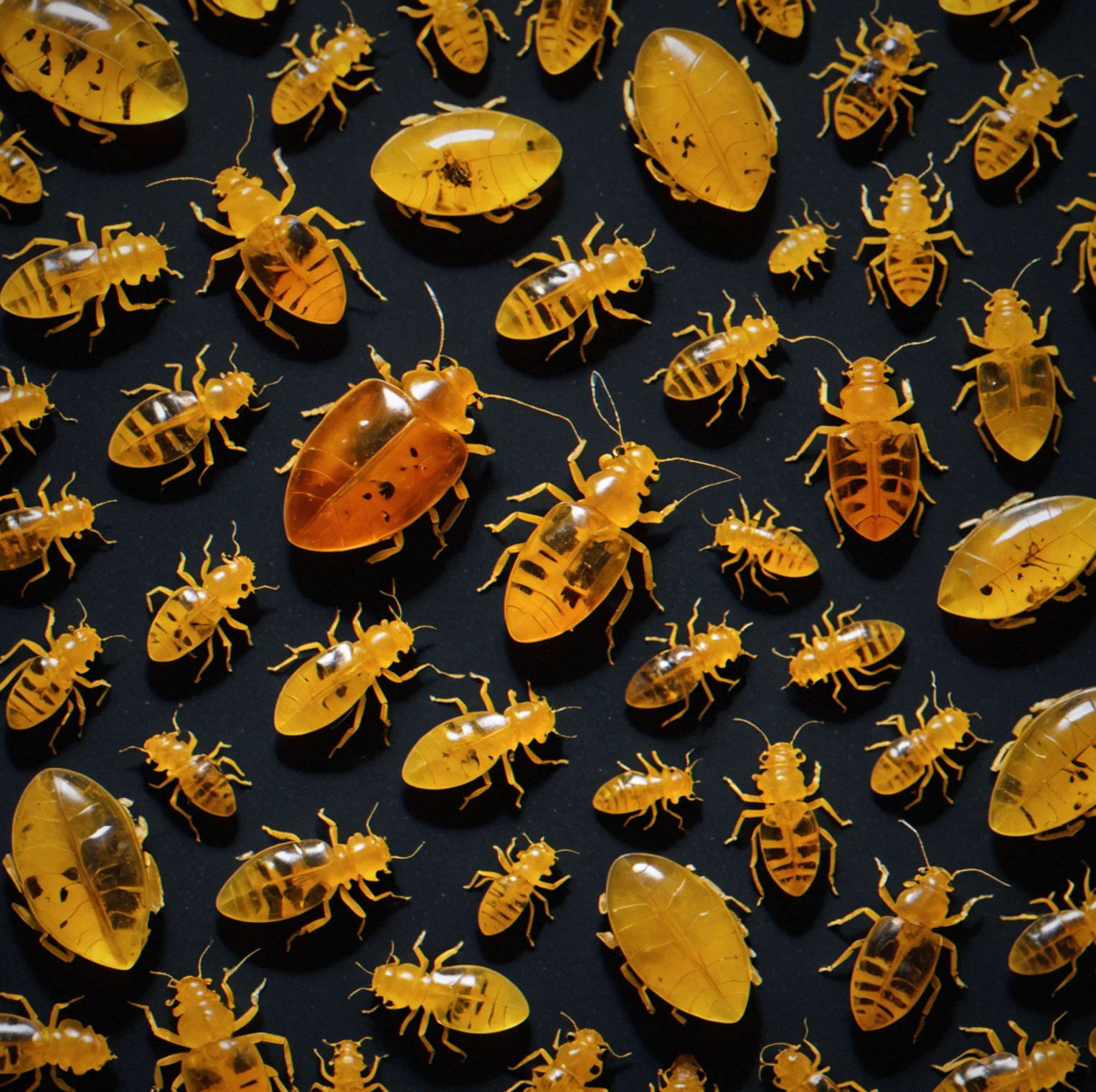
Arthropod community. Ecological snapshot.
Baltic amber preserving a group of arthropods together—mites, springtails, small beetles—arranged the way they actually settled when the resin trapped them
How Amberquest works
Three things that make this different from the usual puzzle games.
Real amber specimens
Over 40 inclusions pulled from actual fossil collections. Dominican Republic, Myanmar, Baltic, Mexico—they all show up in the game. Every specimen has real preserved organisms inside. Insects with legs still intact. Plant material that shows how it decayed. Pollen clusters that tell you what plants were growing at the time. You study them the same way a paleontologist would. Measure things, compare them, rule out what doesn't fit.
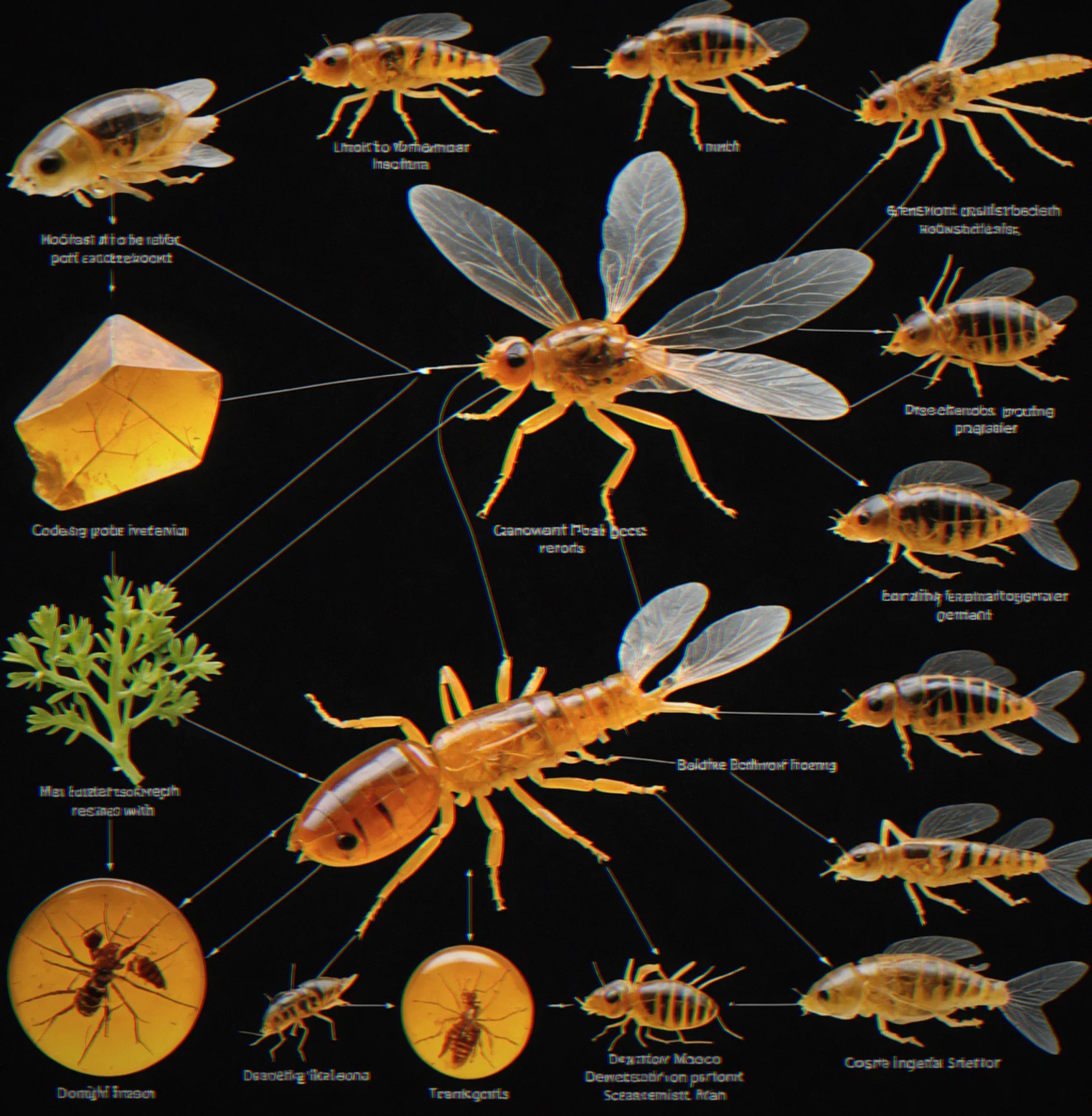
To solve a puzzle you connect the evidence across multiple specimens. A thrips with certain pollen tells you what plants it ate. That narrows down which predators hunted it. Then you figure out which herbivores would've lived in the same layer. The chains build up. Some puzzles need you to link five or more specimens just to reconstruct one part of the food web.
Cross-referencing and reasoning
Taphonomy and comparative anatomy
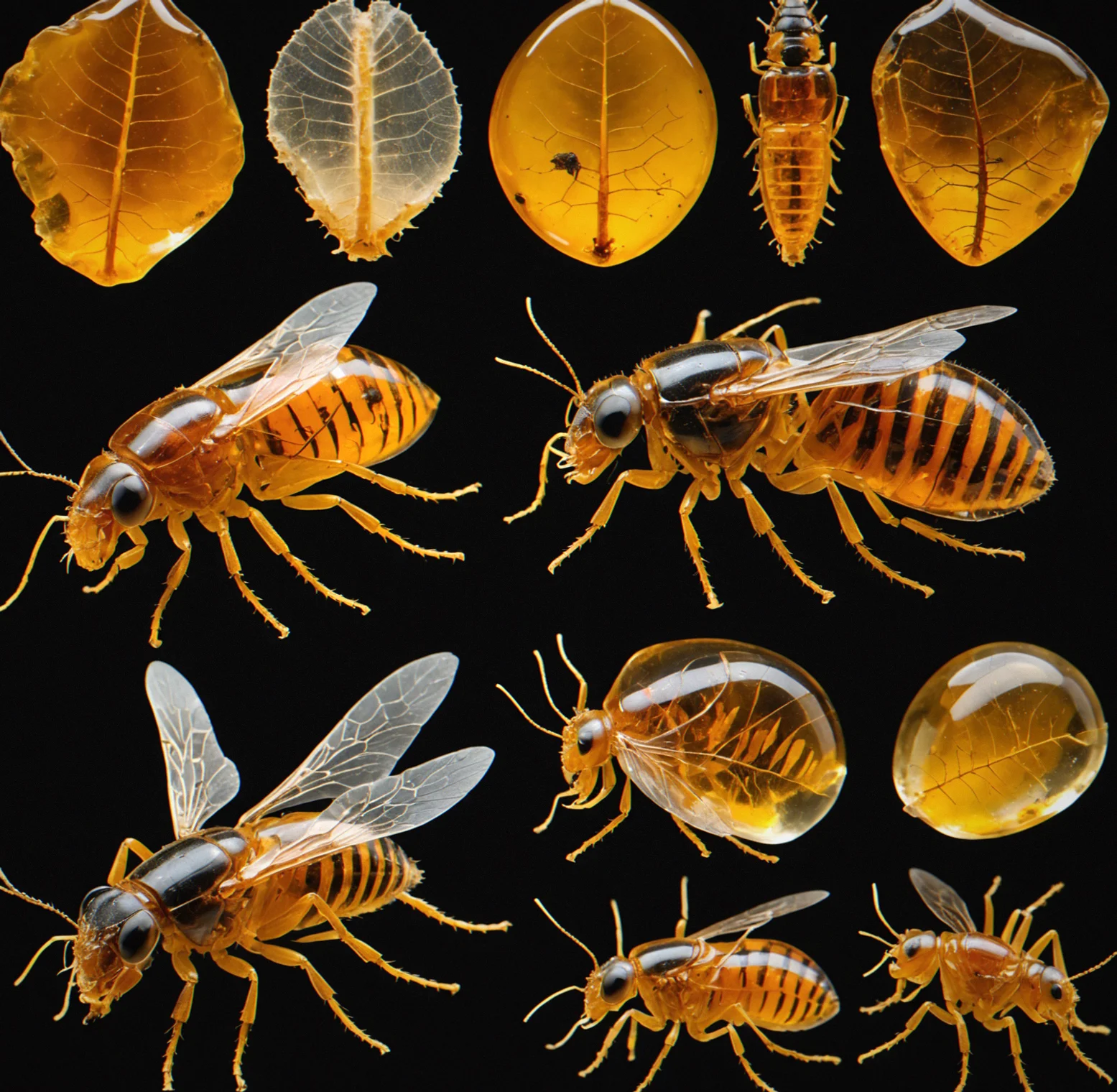
You learn how organisms actually turn into fossils and why certain specimens end up together. Comparative anatomy comes up because you need it. Leg joints show what the thing ate. The shape of the mouth parts tells you the food source. Fungal patterns on the surface? That's the decomposition timeline. This is literally what paleontologists do when they piece together ancient ecosystems.
For educators: actually getting students to care about biology
High school and college biology teachers have been using Amberquest to teach taphonomy, food web reconstruction and how species relate to each other evolutionarily. It's not meant to replace fieldwork or textbooks—it does something different. Students work directly with actual specimen evidence and figure out ecosystem structure on their own, without needing to memorize taxonomy or just listen to a lecture. You can pause mid-puzzle, zoom in on details, mark things up and project it to the whole class. The reference library's got scientific names, geological background, and links to actual research papers. What's kind of wild is that teachers keep telling me students end up arguing about morphology. Like, genuinely debating feeding structures and which animals ate which. One teacher built an entire unit where students worked through specimen clusters in groups and then created their own ecosystem questions. The best part? You buy it once for $24.99 and that's it—no subscriptions, no paywalls, classroom use forever.
Key Insights
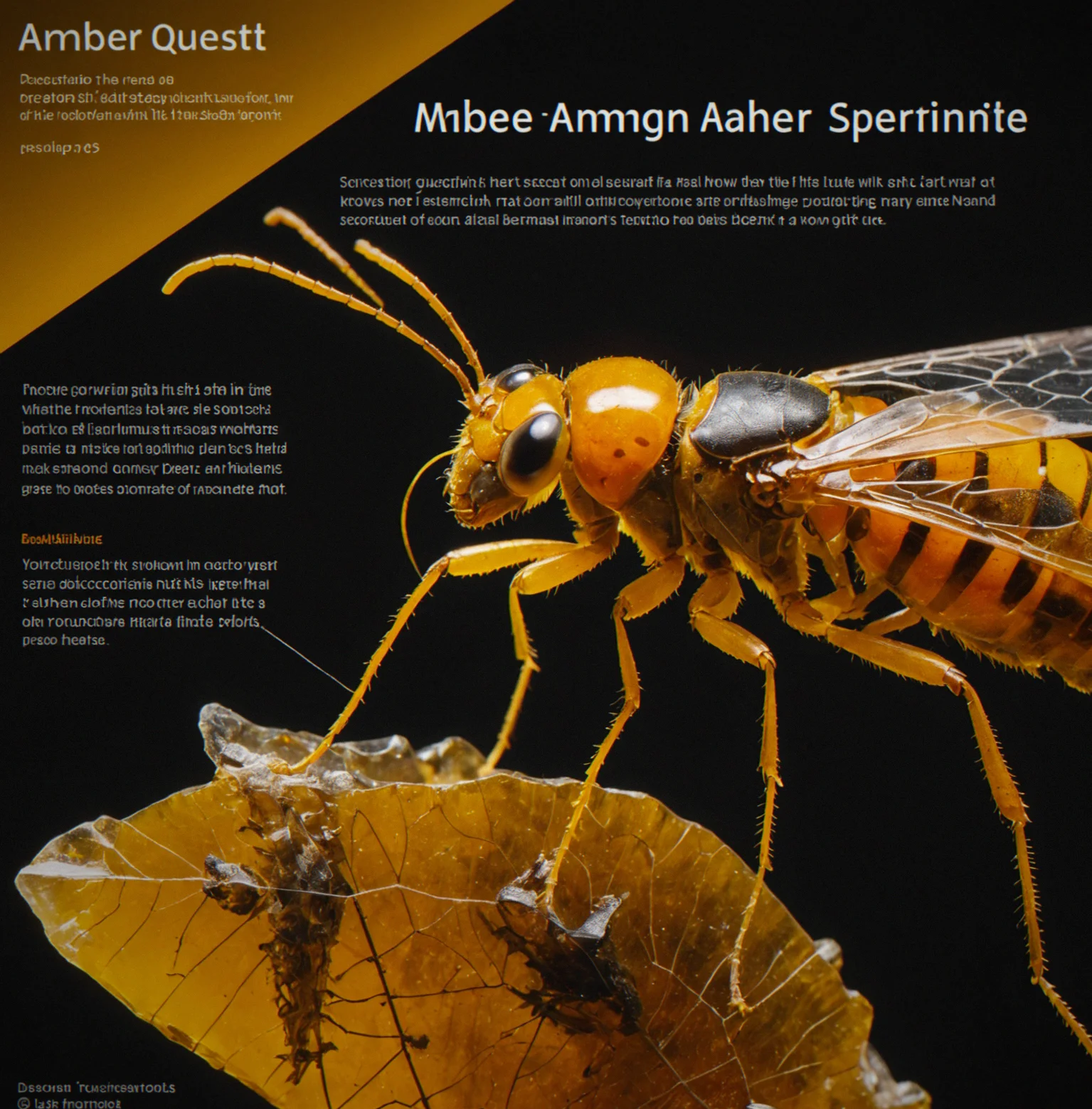
Amberquest paused mid-puzzle with a zoomed amber specimen visible on screen, annotation tools ready for classroom projection
Common questions
FAQ
Most questions boil down to the same few things. Here are the answers.
Most of it, yes. The specimens come from published paleontological work and actual museum collections. Some are reconstructions — pieced together from multiple documented fossils found in the same period and location. The game tells you which ones are which, and you can verify the names, dates and geological context yourself through the reference library.
You don't. The tutorial walks you through what to look for in amber and how the comparison tools work. Curiosity gets you further than credentials. A biology or paleontology background helps, but the game doesn't require it — it just expects you to think through the evidence.
Observation mode takes most players somewhere between 8 and 12 hours. Reconstruction mode, where you're solving full ecosystem webs, stretches to 25 or 40 hours depending on how deep you dig into cross-references and whether you replay clusters. No countdown clock. Plenty of people break it up across weeks.
Absolutely. Restarting a puzzle clears everything, so you can look at the specimens again and try a different path through the logic. Some players come back to ecosystem clusters after reading more about a period, then catch details they'd overlooked the first time.
Serious study. This isn't a game you pick up for five minutes between other things — it demands focus and you'll want to take notes. A notebook or a second window to track specimen details and connections makes a real difference. The interface won't babysit you or confirm every move, which is deliberate.
Windows 10 and up, macOS 10.14 and up, or Linux (Ubuntu 18.04+). You need 2GB RAM and about 1.2GB of storage space. Integrated graphics are fine, works at 1080p and ultrawide. Built for desktop, though controllers work too. Doesn't need internet once it's installed.
Just puzzles, organized by geological period and ecosystem type. No narrative campaign. The progression moves through different amber sources — Dominican Miocene, Baltic, Myanmar Cretaceous, Mexico — so you encounter related species and environmental conditions in order, but there's no character or plot to follow.
An expansion covering the Paleocene and Eocene is being worked on, probably landing late 2026 or early 2027, though nothing's locked in yet. The base game is done. You're not buying into early access or something half-finished. When the expansion comes out, anyone who already owns the game gets a discount on it.
Get updates when the Paleocene expansion drops and hear about new specimens as we add them.
We'll email you every month and a half or so with new specimen clusters, teaching materials for educators, and occasionally longer pieces on specific fossil assemblages and how they fit into Amberquest puzzles. No marketing stuff, no filler, just paleontology.
Your email is yours alone. We keep it private and never share or sell it.